
Why Puberty Is a Turning Point for Your Teen’s Oral Health
Parents spend years monitoring their children’s dental milestones—first teeth, first cleanings, and first lost tooth. But one of the most significant shifts in oral health happens during the teenage years, and it often flies under the radar. Puberty triggers real, measurable changes in the mouth that increase the risk of cavities, gum problems, and other issues that can follow a person into adulthood if left unaddressed.
At Lexington Dental of Owasso, Dr. Jacob Cary and our dental team in Owasso, OK regularly see the dental consequences of this overlooked life stage. This guide explains exactly what changes during adolescence, why those changes matter, and what parents and teens can do to stay ahead of them.
To learn more or to schedule your teen’s dental appointment, contact our dental practice in Owasso, OK at (918) 274-8500.
How Hormones Affect the Mouth
The hormonal surges of puberty—primarily estrogen and progesterone in girls and testosterone in boys—do not just affect mood, skin, and body development. They also have a direct impact on oral tissues, particularly the gums.
Increased hormone levels cause blood vessels in the gums to become more permeable and sensitive to irritants like plaque and bacteria. This leads to a condition called puberty gingivitis, a temporary but significant form of gum inflammation that affects many adolescents. Signs include:
- Gums that appear red, swollen, or shiny
- Bleeding when brushing or flossing
- Tenderness along the gumline
- Persistent bad breath despite regular brushing
Puberty gingivitis typically peaks in early to mid-adolescence and improves as hormone levels stabilize. However, if plaque is not removed consistently during this window, the inflammation can progress to more serious gum disease that does not resolve on its own.
Girls may notice that gum symptoms worsen at certain points in their menstrual cycle as progesterone levels fluctuate. This is normal, but it is a reason to be especially diligent about oral hygiene during those periods.
Cavity Risk Goes Up During the Teen Years
Adolescents are statistically among the highest-risk groups for tooth decay, and several factors converge to make this the case.
Diet Changes
Teens tend to consume more sugar-laden foods and beverages than any other age group. Energy drinks, sports drinks, sodas, sweetened coffees, and flavored waters all bathe teeth in acid and sugar repeatedly throughout the day. Snacking habits also tend to become less structured, meaning teeth are exposed to sugar more frequently rather than in concentrated mealtimes.
Less Parental Oversight of Hygiene
As children gain independence, parents naturally step back from supervising brushing and flossing. For many teens, this results in a gradual decline in consistency and technique—shorter brush times, skipped flossing, and infrequent toothbrush replacements.
Orthodontic Appliances
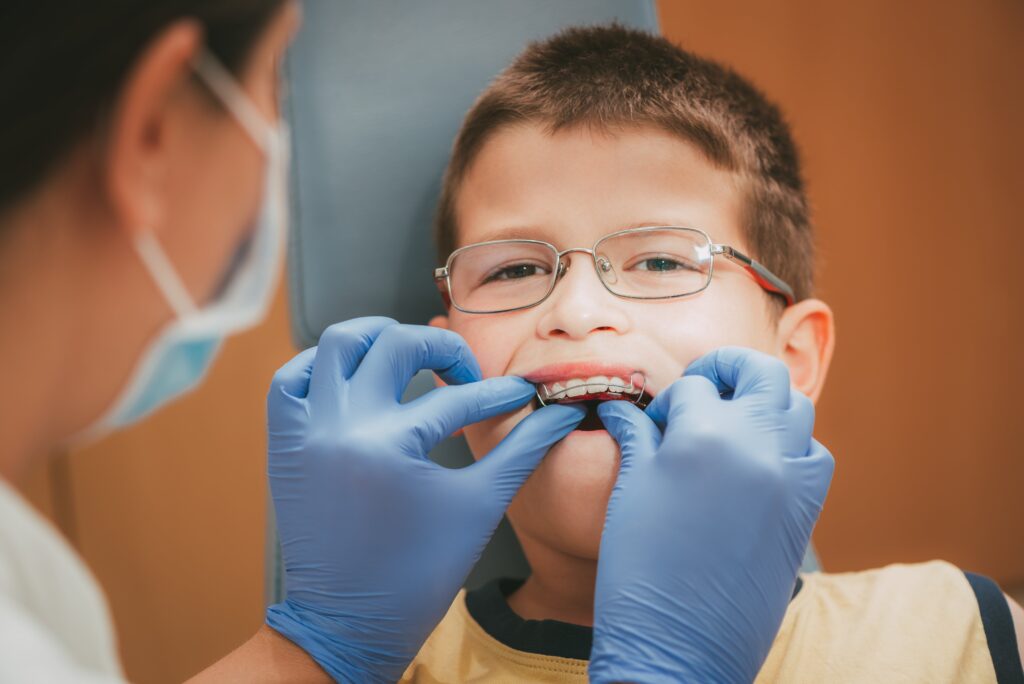
Many teens are in braces during this period. Brackets and wires create additional surfaces where plaque accumulates and are harder to clean thoroughly. Teens who do not adapt their hygiene routine to accommodate orthodontic appliances are at significantly elevated risk for white spot lesions—early-stage enamel damage that becomes visible when braces are removed.
Dry Mouth from Mouth Breathing
Teens with allergies, nasal congestion, or a habit of mouth breathing—often linked to enlarged tonsils or adenoids—may experience chronic dry mouth. Saliva is a natural defense against cavity-causing bacteria, and its absence accelerates decay.
Wisdom Teeth Begin to Develop
The teenage years are when wisdom teeth—the third molars—begin developing in the jaw and, for many adolescents, start to emerge. This process can cause:
- Crowding or shifting of existing teeth
- Discomfort or pressure in the back of the mouth
- Increased difficulty in cleaning the area around partially erupted teeth
- Risk of infection (pericoronitis) around wisdom teeth that have only partially broken through the gumline
Dental X-rays taken during routine visits allow Dr. Jacob Cary to monitor wisdom tooth development and determine whether extraction will be necessary. Catching problems early is always preferable to waiting until symptoms arise.
Sports, Activities, and Dental Injuries
Teens are more likely to participate in contact sports and high-impact recreational activities than younger children, raising their risk of dental trauma. A knocked-out tooth, fractured crown, or lip laceration from a sports injury is among the most common dental emergencies in adolescents.
A properly fitted athletic mouthguard is one of the most effective and underutilized protective tools available. Custom mouthguards made by a dental professional offer superior protection, fit, and comfort compared to over-the-counter boil-and-bite alternatives. If your teen plays football, basketball, soccer, martial arts, gymnastics, or any contact sport, a mouthguard should be part of their gear.
If a dental emergency does occur, contact Lexington Dental of Owasso at (918) 274-8500 as quickly as possible. Prompt treatment significantly improves outcomes for knocked-out or fractured teeth.
The Social and Behavioral Side of Teen Oral Health
Adolescence brings new social pressures that carry oral health consequences parents may not anticipate.
Peer Pressure and Risky Habits
Some teens experiment with tobacco products, vaping, or alcohol during this period. Tobacco use—in any form—is one of the leading risk factors for gum disease and oral cancer. Vaping and e-cigarettes, which many teens perceive as harmless, have been shown to damage gum tissue and increase susceptibility to infection. Even occasional alcohol use is associated with increased cavity risk due to its dehydrating and acidic properties.
Eating Patterns and Restrictive Diets
Teens, particularly girls, face significant pressure around body image. Restrictive eating, crash dieting, or disordered eating behaviors can deprive teeth and gums of essential nutrients like calcium, vitamin D, and phosphorus. In cases of purging behaviors, repeated exposure to stomach acid can cause severe and irreversible enamel erosion. Dental professionals are often among the first to observe physical signs of disordered eating and can provide a compassionate referral to appropriate support.
Oral Piercings
Tongue, lip, and cheek piercings are popular among some teens, but they carry real dental risks: chipped or fractured teeth from contact with jewelry, gum recession around piercing sites, and an elevated risk of infection. If your teen has or is considering an oral piercing, a conversation with their dentist is worthwhile.
Orthodontics During the Teen Years: What to Know
Adolescence is the most common time for orthodontic treatment, and for good reason—the jaw is still developing, and teeth move more readily than they will in adulthood. Whether your teen has traditional braces or clear aligners, orthodontic treatment requires an adapted approach to oral hygiene.
With Traditional Braces
- Use an orthodontic toothbrush or electric toothbrush to clean around brackets
- Floss threaders or water flossers make cleaning between teeth with wires much easier
- Fluoride rinses help protect enamel during treatment
- Avoid sticky, hard, or chewy foods that can dislodge brackets or wires
With Clear Aligners
- Remove aligners before eating or drinking anything other than water
- Brush and floss before reinserting aligners to avoid trapping bacteria
- Clean aligners daily with a soft brush and clear, non-scented soap
Teens who are disciplined about oral hygiene during orthodontic treatment finish with straighter smiles and healthier enamel. Those who are not may end up with straight teeth that are stained, decayed, or have visible white spots.
Building Healthy Habits That Last into Adulthood
The habits teens establish now become the foundation for their oral health as adults. Research consistently shows that teenagers who maintain good oral hygiene routines carry those behaviors into their twenties, thirties, and beyond—while those who neglect dental care in adolescence tend to carry the consequences for years.
Parents can support good habits without nagging by:
- Keeping the bathroom stocked with quality supplies—good toothbrushes, floss, and fluoride toothpaste
- Continuing to schedule regular dental cleanings and exams every six months
- Having open, non-judgmental conversations about diet, sports safety, and risky habits
- Framing oral health in terms teens care about: confidence, appearance, and athletic performance
Teens who understand why oral health matters—not just that their parents want them to brush—are far more likely to take ownership of their own care.
When to See a Dentist During the Teen Years
Routine six-month checkups remain the standard recommendation through adolescence. But there are situations that warrant an earlier or additional visit:
- Gums that bleed regularly or appear consistently swollen
- Tooth sensitivity that is new or worsening
- Pain or swelling at the back of the mouth where wisdom teeth are emerging
- Any dental injury, no matter how minor it seems
- Concerns about teeth grinding or jaw pain
- Signs of enamel wear or unusual tooth color changes
- Questions about orthodontic timing or the need for a mouthguard evaluation
Early intervention almost always leads to simpler, less costly treatment. Dr. Jacob Cary welcomes teenage patients and takes a comfortable, low-pressure approach that helps even anxious teens feel at ease in the chair.
Support Your Teen’s Smile at Lexington Dental of Owasso Call Us Today
The teenage years are a critical window for oral health, and the right dental team makes all the difference. At Lexington Dental of Owasso, we provide comprehensive, compassionate care for adolescent patients throughout Owasso, OK from routine cleanings and exams to orthodontic assessments, emergency care, and custom mouthguards.
Schedule your teen’s next appointment by calling (918) 274-8500 today. We look forward to being your family’s trusted dental partner in Owasso, OK every step of the way.



%20(1).jpg)
.jpg)