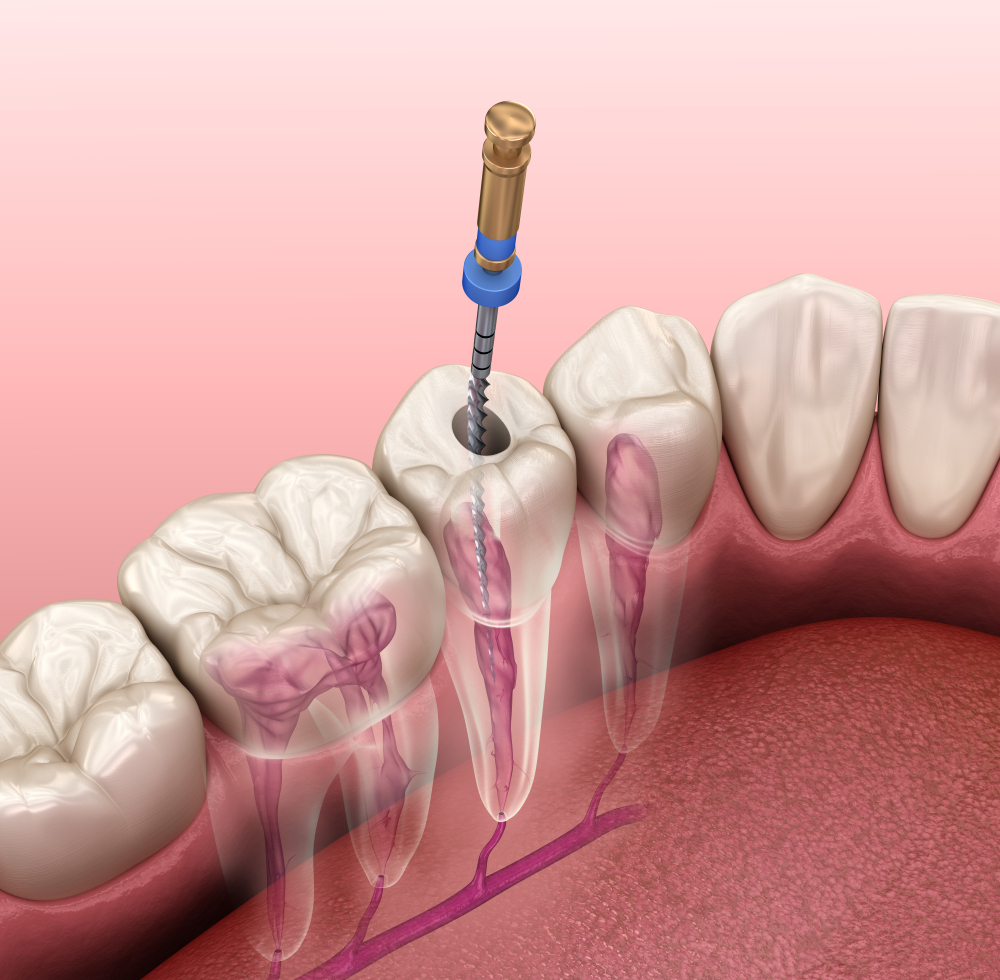
Why Your Hygienist Recommended a “Deep Cleaning”
You came in for a routine cleaning and left with a recommendation for something called scaling and root planing, often called a deep cleaning. It costs more, may take two visits, and involves numbing. It is reasonable to wonder whether you actually need a deep cleaning or whether you are being upsold.
The answer comes down to measurements your hygienist takes at every checkup. Once you understand what those numbers mean, you can judge the recommendation for yourself. If you were recently told you need a deep cleaning and want a second look at your results, call Lexington Dental of Owasso at (918) 274-8500.
What a Regular Cleaning Does
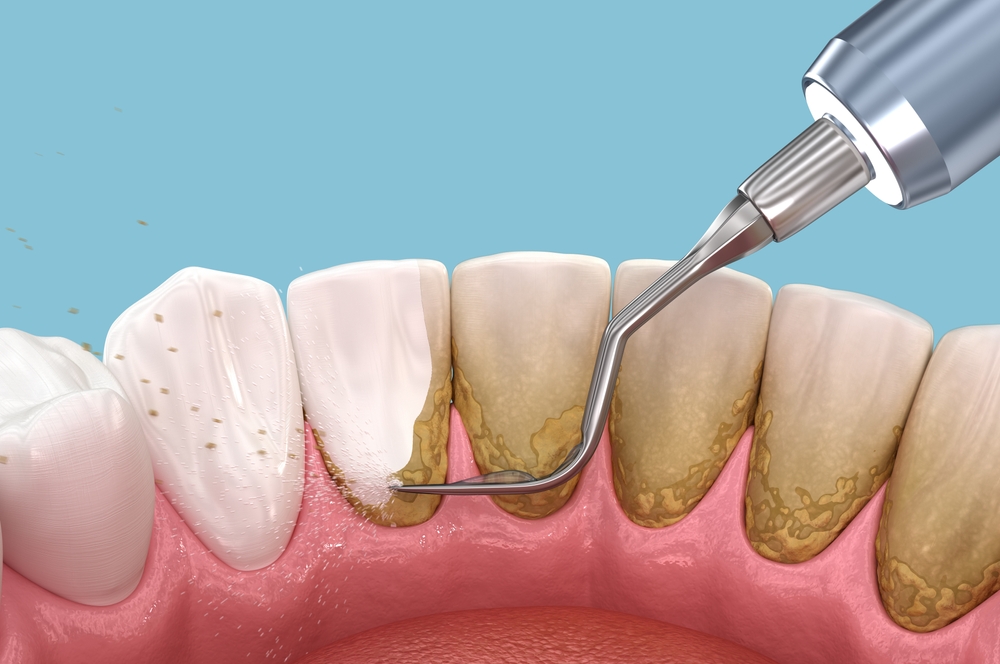
 A regular cleaning, called a prophylaxis, is preventive care for healthy gums. Your hygienist removes plaque and hardened tartar from the visible surfaces of your teeth and just below the gumline, then polishes the teeth.
This works well when your gums fit snugly around each tooth. There’s little space under the gums for bacteria to collect, so the hygienist can reach everything. For most people with healthy gums, a dental cleaning and exam every six months is enough.
What Scaling and Root Planing Does
Scaling and root planing is a nonsurgical treatment for gum disease that has already started. It has two parts:
 Scaling: Removes tartar and bacteria from below the gumline, all the way down to the bottom of each gum pocket.
- Root Planing: Smooths the root surfaces so bacteria have fewer places to cling and the gums can tighten back around the tooth.
Because a deep cleaning goes below the gumline, the hygienist numbs the area first. Treatment is usually split into sections (quadrants) of the mouth over one or two visits.
How Pocket Depths Decide Which One You Need
During your exam, the hygienist slides a small measuring tool called a periodontal probe between each tooth and the gum. The depth of that space, measured in millimeters, tells us how healthy your gums are.
|
Pocket depth |
What it usually means |
Typical recommendation |
| 1 to 3 mm | Healthy gums | Regular cleaning |
| 4 mm | Early warning, especially with bleeding | Closer monitoring; possibly scaling and root planing in that area |
| 5 mm or more | Gum disease (periodontitis) is likely | Scaling and root planing |
At 5 millimeters or deeper, neither your toothbrush nor a regular cleaning can reach the bacteria at the bottom of the pocket. Your dentist also checks digital X-rays for bone loss around the teeth, which confirms whether gum disease has progressed.
These ranges are general guidelines. Bleeding, X-ray findings, and how many teeth are affected all factor into the final recommendation.
Why a Regular Cleaning Isn’t Enough for Gum Disease
Gum disease is a chronic infection below the gumline. Over time, it breaks down the bone that holds your teeth in place, and it is a leading cause of tooth loss in adults. It is also common: the CDC estimates that nearly half of U.S. adults age 30 and older have some form of periodontitis, rising to about 60 percent of adults over 65.
A regular cleaning only treats the surface. If you have deep pockets, your hygienist can make your teeth look clean while bacteria keep damaging the underlying tissue. Research has also linked gum disease with other health conditions, including diabetes and heart disease, which is another reason not to leave it untreated.
Signs You Might Need Scaling and Root Planing
 Gum disease is often painless early on. Watch for these signs:
- Gums that bleed when you brush or floss
- Bad breath or a bad taste that doesn’t go away
- Red, swollen, or tender gums
- Gums pulling away from your teeth, making them look longer
- Teeth that feel loose or are shifting
- A change in how your teeth fit together when you bite
Is a Deep Cleaning Recommendation an Upsell?
A legitimate recommendation should be backed by findings you can see. At Lexington Dental of Owasso, we use intraoral cameras and digital X-rays so you can see tartar, inflamed gum tissue, or bone loss on screen. If you are unsure about any recommendation, ask your dental team:
- What were my pocket depth readings, and which areas are affected?
- Do my X-rays show any bone loss?
- What happens if I wait?
- Is treatment needed for my whole mouth or just certain areas?
It also helps to know how insurance treats each service. A regular cleaning is billed under code D1110, while scaling and root planing is billed under D4341 or D4342, depending on how many teeth are treated in each section of the mouth. Many plans cover scaling and root planing at a different percentage than preventive cleanings, so deep cleaning costs can vary from one patient to the next. Our team can check your benefits before treatment, and our financing options can help spread out the cost. You can also read our guide to using CareCredit and medical insurance for dental work in Owasso.
What Happens After Scaling and Root Planing
Your gums may feel tender, and your teeth may be more sensitive to cold for a few days. Most people return to normal routines the same day. A consistent home dental care routine helps the gums heal and tighten.
About four to six weeks later, we measure your pockets again to see how your gums responded. In many cases, pockets shrink as inflammation decreases.
After treatment, most patients move to periodontal maintenance visits every three to four months instead of regular cleanings twice a year. Gum disease can be controlled, but it does not go away for good, so these visits keep bacteria from rebuilding in the pockets. If gums have receded, gum grafting may be an option down the road.
Get a Gum Health Check in Owasso
If you have been told you need a deep cleaning, or you have noticed bleeding gums at home, we are happy to review your measurements and X-rays with you. Learn more about scaling and root planing at Lexington Dental of Owasso, or call (918) 274-8500 to schedule a visit with Dr. Jacob Cary and our hygiene team. We see patients from Owasso, Tulsa, Claremore, and Bixby.