


Failing Dental Implants in Owasso, OK
Implant Problems Happen — Here's What to Do About Them
Dental implants are one of the most reliable restorations in dentistry, with a success rate consistently above 95%. But reliable doesn’t mean infallible. A small percentage of implants develop complications, and when that happens, early action makes all the difference. Whether you’re noticing pain around an implant that should have settled by now, a restoration that feels loose, or gum changes near the implant site, these are signals worth taking seriously.
At Lexington Dental of Owasso, Dr. Jacob Cary evaluates and treats implant complications for patients from Owasso, Claremore, Collinsville, and Tulsa. The goal is always to save the implant if possible and, when that’s not possible, to set you up for a successful replacement. Call our Owasso dental office at (918) 274-8500 to be seen promptly.
What Is Dental Implant Failure?
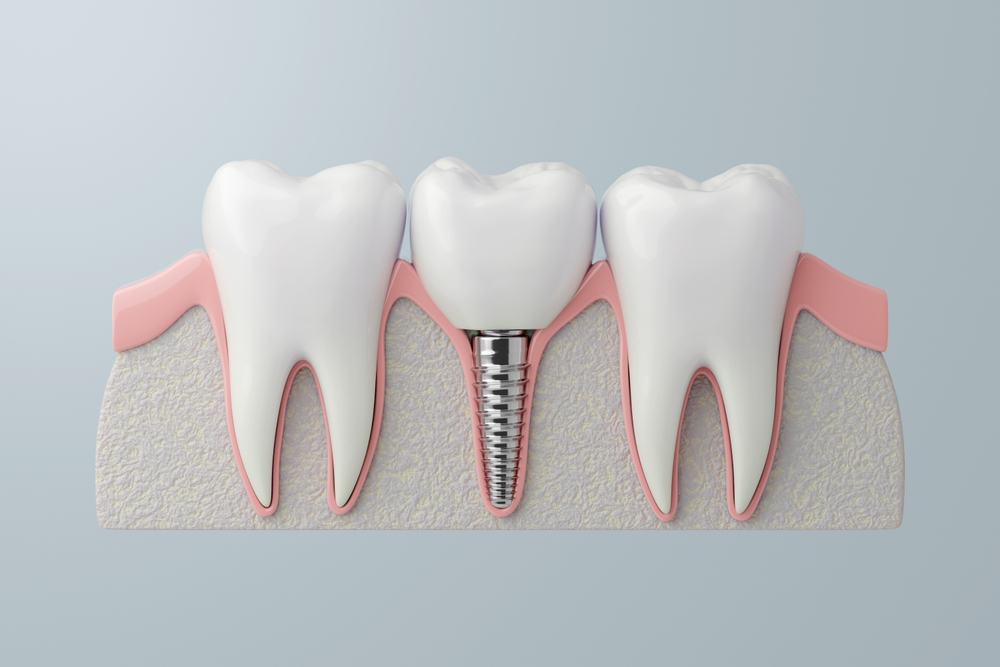
Dental implant failure occurs when an implant loses its integration with the surrounding jawbone or develops an infection severe enough to compromise the implant’s stability. Failure can be early, occurring before or during the osseointegration phase when the bone hasn’t properly fused with the titanium post, or late, developing months or years after a successfully placed implant due to infection, trauma, or bone loss. Both types are manageable. What matters most is recognizing the signs and acting before the situation worsens.
Common Causes of Dental Implant Failure
Understanding what goes wrong helps patients know what to watch for and what to avoid. The most frequent causes of implant failure include:
Peri-implantitis
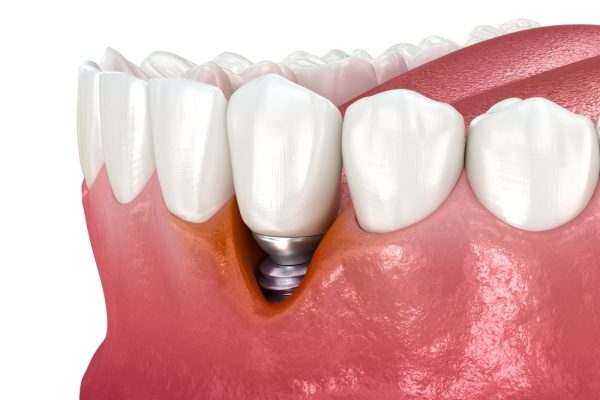
This is the leading cause of late implant failure. Peri-implantitis is a bacterial infection that affects the gum tissue and bone around the implant, functioning similarly to advanced gum disease. Without treatment, it erodes the bone that anchors the implant, eventually causing the post to loosen. Poor oral hygiene, a history of periodontal disease, and smoking all increase the risk significantly.
Failed Osseointegration
When the bone doesn’t fuse properly with the titanium post during the healing period, the implant never achieves the stable anchor it needs. This can result from insufficient bone density at the time of placement, excessive force on the implant before it’s fully healed, smoking, or underlying health conditions that impair healing.
Overloading
Placing too much pressure on an implant before osseointegration is complete can disrupt the fusion process. This is why post-operative instructions around diet and chewing are taken seriously. Chronic bruxism, or nighttime teeth grinding, can also overload an established implant over time.
Medical Conditions and Medications
Uncontrolled diabetes impairs healing and raises infection risk. Autoimmune disorders, cancer treatments, and certain medications, including bisphosphonates used for osteoporosis, can interfere with bone health and integration. These factors don’t guarantee failure, but they require thoughtful management before and after implant placement.
Smoking
Nicotine constricts blood vessels and reduces oxygen delivery to the healing tissue around an implant. Studies consistently show that smokers experience implant failure at a rate 10 to 20% higher than non-smokers. Failure can occur during osseointegration or develop later as a consequence of compromised gum health.
Poor Surgical Technique
Implant placement requires precise planning and execution. Improper angulation, depth, or site selection can create problems that surface later. This is one of the strongest arguments for choosing an experienced provider and insisting on 3D imaging before placement, both of which are standard practice at Lexington Dental of Owasso.
Signs Your Dental Implant May Be Failing
These symptoms don’t always mean an implant is failing, but each one warrants a call to our Owasso office:
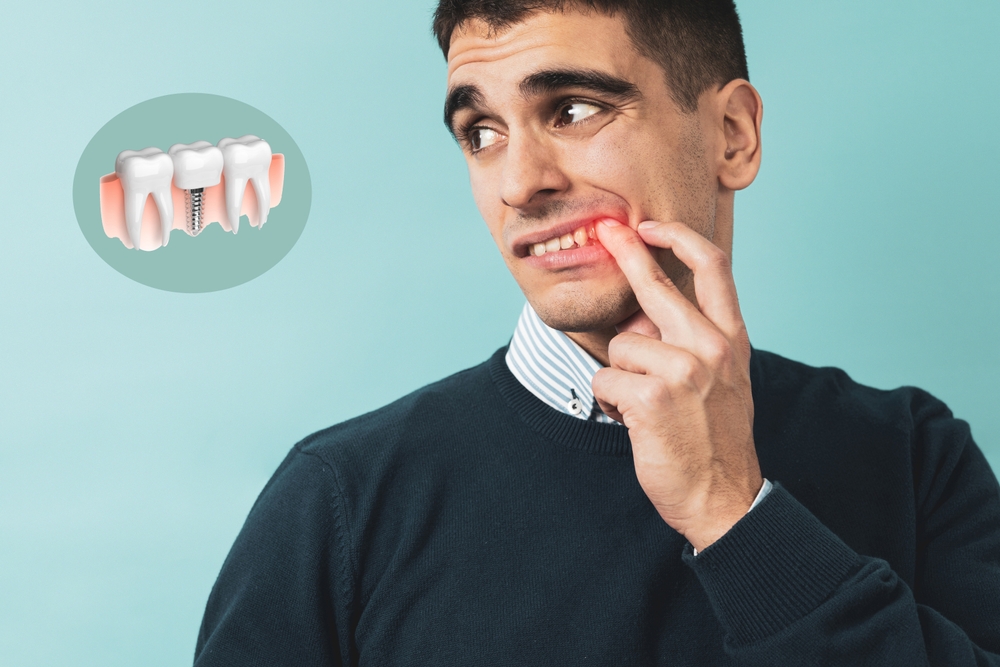
- Persistent or Increasing Pain: Some soreness after placement is expected. Pain that lingers past the initial healing window or returns after weeks of comfort is a warning sign.
- Swelling or Redness: Inflammation around the implant that appears months after placement is more likely to indicate infection than normal healing.
- Implant Movement or Wobbling: A stable implant should feel as secure as a natural tooth. Any detectable movement signals a loss of integration or bone support.
- Gum Recession Near the Implant: If the gum is pulling away from the implant, the metal post may become visible, increasing infection risk.
- Difficulty Chewing: Discomfort or instability when biting suggests something has changed in the implant’s support structure.
- Persistent Bad Breath or Unusual Taste: These can point to infection around the implant, particularly peri-implantitis.
How Dr. Cary Diagnoses a Failing Implant
A thorough evaluation at Lexington Dental of Owasso includes:
- Clinical Examination: Assessment of gum tissue health, implant stability, and signs of infection around the site
- Cone Beam 3D Imaging: Detailed view of bone volume, implant positioning, and any bone loss occurring around the post
- Periodontal Probing: Measurement of the gum pocket depth around the implant to identify the extent
- Bite Analysis: Evaluation of how force is distributed across the implant to identify potential overloading
This combination of information gives Dr. Cary a complete picture of what’s happening and what intervention is appropriate.
Treatment Options for Failing Dental Implants
Non-Surgical Approaches
When caught early, implant complications can often be managed without surgery:
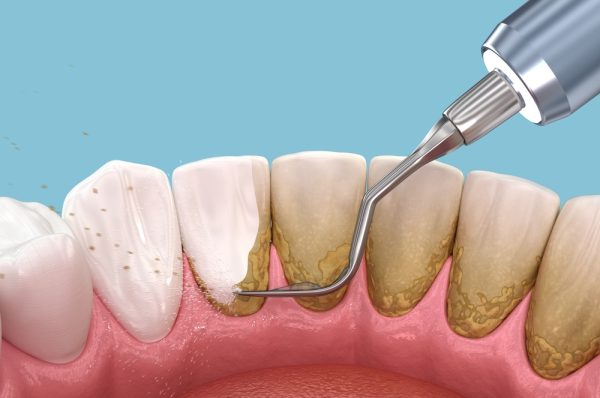
- Professional Deep Cleaning: Removing bacterial buildup from around the implant surface and below the gum line to address early peri-implantitis
- Antibiotic Therapy: Oral or locally applied antibiotics to reduce infection around the implant site
- Laser Therapy: Used to disinfect the area around the implant and support tissue healing
- Night Guard: For patients whose implant stress is bruxism-related, a custom nightguard removes the source of mechanical overloading
Surgical Interventions
More advanced cases may require:
- Bone Grafting: When bone loss around the implant has been significant, grafting can rebuild the supporting structure and, in some cases, stabilize a compromised implant
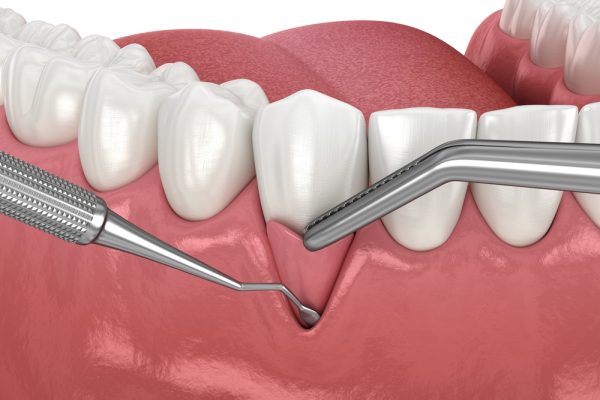
- Soft Tissue Grafting: To address gum recession and restore healthy coverage over the implant post
- Implant Removal and Replacement: When an implant cannot be saved, it’s removed, the site is allowed to heal fully, and a new implant is placed once conditions are favorable
The goal is always to preserve the implant when possible and to restore function and health when it isn’t.
Can Implant Failure Be Prevented?
Most of the time, yes. The factors within a patient’s control, including oral hygiene, smoking, compliance with post-operative instructions, and consistent dental visits, account for a significant portion of implant complications. The factors within the provider’s control, including precise planning, accurate imaging, and properly staged treatment, account for the rest.
Practical prevention steps for patients:
- Brush and floss daily, including carefully around the implant margins
- Do not smoke during the osseointegration period, and ideally, quit entirely
- Wear a nightguard if you grind your teeth
- Keep all scheduled follow-up appointments after placement
- Contact our Owasso office immediately if anything feels different, even slightly
Frequently Asked Questions
Often yes, especially if the problem is identified early. Peri-implantitis caught in its early stages is frequently reversible with professional cleaning and improved home care. Bone loss that’s moderate rather than severe can sometimes be treated with grafting to stabilize the implant. Implants that have fully lost osseointegration or that are associated with severe, uncontrolled infection typically need to be removed. After the site heals, a new implant can be placed in most cases.
Early-stage peri-implantitis, called peri-implant mucositis, is reversible with professional intervention and consistent oral hygiene. The tissue inflammation resolves when the bacterial cause is removed. Advanced peri-implantitis, where bone loss has already occurred, is not fully reversible, but it can be arrested and managed to prevent further damage. Bone lost to peri-implantitis doesn’t regenerate on its own, which is why catching it early matters enormously.
Early failure typically occurs within the first three to six months, during or just after the osseointegration phase. Late failure can happen years or even decades after a successful placement, usually as a result of infection, trauma, or gradual bone loss. This is why maintenance doesn’t stop once the implant feels established. The two-year mark and beyond still require the same level of oral hygiene and professional oversight as the early healing phase.
In most cases, yes. After the failed implant is removed and the site has healed, usually in a few months, a new implant can often be placed. The success rate for replacement implants is comparable to primary placements when the underlying cause of failure is addressed first. If bone loss occurred, a graft may be needed before reimplantation. Dr. Cary will evaluate the site after removal to determine the best timing and approach for the next attempt.
Don't Wait If Something Feels Wrong
Dental implant complications are far more manageable when they’re caught early. If something about your implant feels different, don’t wait for your next scheduled appointment. Call Lexington Dental of Owasso at (918) 274-8500 and describe what you’re experiencing. Our Owasso implant dentists will get you in promptly and give you a clear picture of what’s happening and what your options are. We serve patients from Claremore, Collinsville, and Tulsa, and we’re here to protect the investment you made in your smile.

Meet Your Dentist
Dr. Jacob Cary, DDS
Dr. Jacob Cary is committed to providing modern, intuitive solutions to all of our valued dental patients. After receiving his Doctor of Dental Surgery from New York University College of Dentistry, Dr. Cary returned to his roots here in Oklahoma, where he grew up on a small family farm. Dr. Cary and our talented team of hygienists, assistants, and coordinators are dedicated to creating a welcoming family atmosphere to serve as Owasso’s most trusted dentist.