


Root Canal Therapy in Owasso, OK
Root Canal Therapy at a Dental Practice That Knows Owasso
Dr. Jacob Cary grew up in Oklahoma and returned home after earning his Doctor of Dental Surgery from New York University College of Dentistry. He completed advanced post-doctoral training through the Misch Resnik Implant Institute and brings that same commitment to thorough, precise care to every procedure he performs, including root canal therapy.
Patients from Owasso, Tulsa, Catoosa, Claremore, and beyond consistently describe the Lexington Dental experience as calm, communicative, and comfortable. Dr. Cary takes the time to explain what he’s doing and why, so you’re never left guessing about your treatment.
What Is Root Canal Therapy?
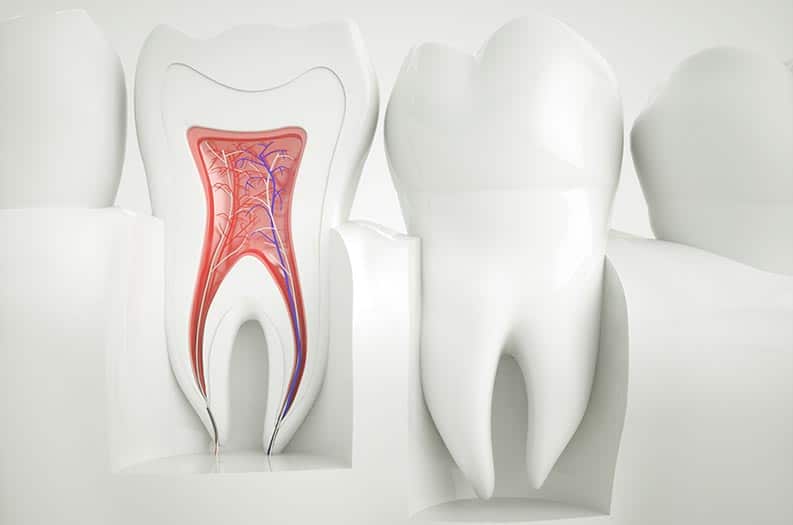
Root canal therapy is an endodontic procedure that treats infection or inflammation inside the tooth. Every tooth contains a soft inner layer called the pulp, which houses nerves, blood vessels, and connective tissue. When decay, a crack, or trauma allows bacteria to reach the pulp, the pulp can become infected, causing significant pain.
Root canal therapy removes the infected tissue, cleans and disinfects the inner chamber of the tooth, and seals it to prevent reinfection. A dental crown is then placed over the tooth to restore its strength and protect it going forward. The result is a tooth that looks and functions normally, without the infection that was causing problems.
Why Would You Need a Root Canal?
Root canal therapy becomes necessary when the pulp inside a tooth is infected or badly inflamed. This can happen for several reasons:
- Deep Decay: A cavity that goes untreated long enough will eventually work its way through the enamel and dentin and into the pulp. Once bacteria reach that inner layer, a filling alone can no longer resolve the problem.
- A Cracked or Fractured Tooth: A crack that extends deep into the tooth can expose the pulp to bacteria, leading to infection even without a visible cavity.
- Repeated Dental Procedures on the Same Tooth: A tooth that has had multiple restorations over the years can become irritated and inflamed over time, sometimes requiring root canal therapy to address lingering issues.
- Dental Trauma: A blow to the mouth can damage the pulp even when there’s no visible crack or chip, particularly if the impact was significant.
Symptoms That May Indicate You Need Root Canal Therapy
Not every infected tooth announces itself with obvious pain. Some patients have significant pulp damage with very few symptoms, which is one reason regular exams matter. That said, common signs that root canal therapy may be needed include:
- A persistent, throbbing toothache
- Sharp pain when biting or chewing
- Prolonged sensitivity to heat or cold that lingers after the source is removed
- Darkening or discoloration of the tooth
- Swelling or tenderness in the gums near the tooth
- A small pimple-like bump on the gums near the affected tooth
If you’re experiencing any of these, call Lexington Dental of Owasso at (918) 274-8500 and describe your symptoms. Dr. Cary will get you in for an evaluation and determine what’s going on.
What Happens During Root Canal Therapy
The procedure is more straightforward than most patients expect. Here is a general overview of what to anticipate:
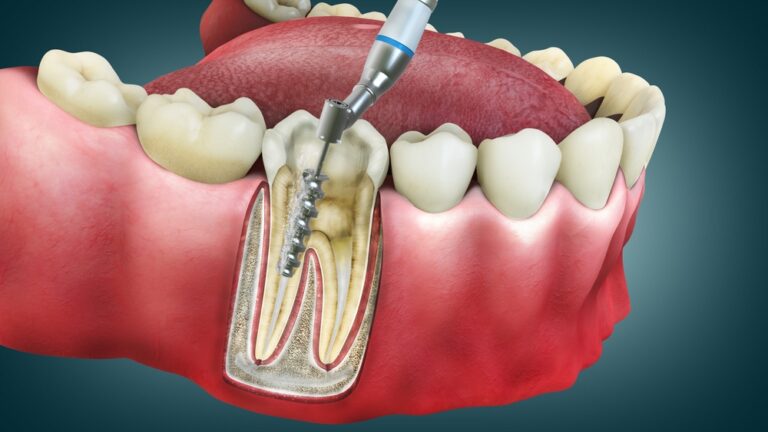
- Dr. Cary begins by numbing the area thoroughly with local anesthesia. Once you're comfortable, he places a small rubber dam around the tooth to keep the area dry and free of saliva during treatment. He then creates a small opening in the top of the tooth to access the pulp chamber.
- Using precise instruments, Dr. Cary carefully removes the infected or inflamed pulp tissue and cleans the inner canals of the tooth. The canals are shaped and disinfected to remove any remaining bacteria. Once the tooth is clean, the canals are filled with a biocompatible material called gutta-percha and sealed.
- In most cases, a dental crown is placed over the treated tooth at a follow-up appointment. The crown restores the tooth's full function and protects it from the fractures that root canal-treated teeth can be more susceptible to.
Most patients are comfortable returning to their normal activities the same day or the day after treatment.
What Happens If You Skip the Root Canal?
This is a question worth answering directly. If an infected tooth goes untreated, the infection does not resolve on its own. It continues to spread, moving deeper into the surrounding bone and potentially affecting neighboring teeth. In more serious cases, a dental infection can spread to other areas of the head and neck, which becomes a medical concern beyond just your oral health.
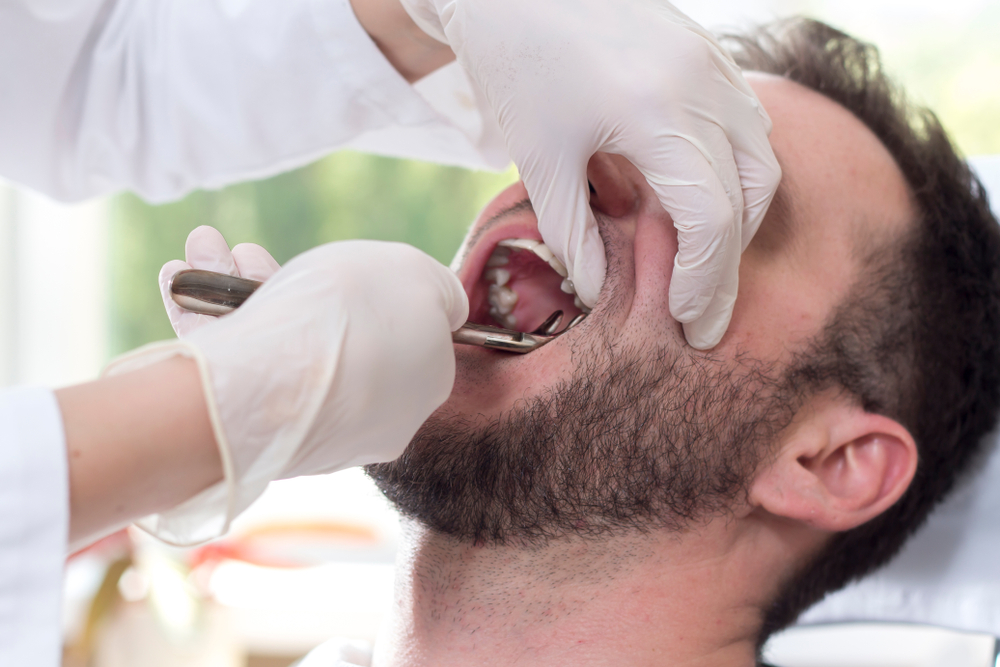
Beyond the health risks, avoiding root canal therapy almost always leads to tooth extraction. And while an extracted tooth can be replaced with an implant or bridge, those solutions involve more time, more appointments, and more cost than a root canal and crown would have.
Dr. Cary’s approach is always to preserve your natural tooth when it’s possible to do so. Root canal therapy is one of the most effective tools for doing exactly that.
Recovering From Root Canal Therapy
Most patients are surprised by how manageable recovery is after a root canal. The procedure itself relieves the pressure and pain caused by the infection, so many people feel noticeably better within a day or two. That said, some tenderness and mild soreness in the treated area is normal for the first few days, especially once the anesthesia wears off.
Managing Discomfort After Treatment
Over-the-counter pain relievers like ibuprofen or acetaminophen are usually enough to keep post-treatment soreness under control. Ibuprofen has the added benefit of reducing inflammation, which is often the main source of discomfort in the days following the procedure. Dr. Cary will let you know if anything stronger is appropriate for your situation.
Avoid chewing on the treated side of your mouth until your permanent crown is in place. The tooth is more vulnerable without that final restoration, and putting heavy chewing pressure on it in the meantime increases the risk of a fracture.
Caring For the Area While You Heal
Continue brushing and flossing normally, including near the treated tooth. Keeping the area clean supports healing and reduces the chance of any new bacterial buildup around the gumline. Avoid very hot or very cold foods and beverages for the first day or two if the area feels sensitive, and try to stick to softer foods while any initial tenderness is still present.
If a temporary filling or crown was placed at your appointment, be mindful that it is not as durable as the permanent restoration. Avoid sticky or hard foods that could dislodge it before your follow-up visit.

When to Call Lexington Dental of Owasso
Some soreness after a root canal is expected, but certain symptoms are worth a prompt call to our office. Contact us at (918) 274-8500 if you experience:
- Severe or worsening pain that does not improve after a few days
- Visible swelling in the face, jaw, or neck that is getting larger
- A return of the same throbbing pain you had before treatment
- The temporary filling or crown is coming out or feeling significantly different
- Fever or a general feeling of illness following the procedure
These symptoms can occasionally indicate that the infection has not fully cleared or that the tooth needs additional attention. Catching those situations early makes them easier to address, so don’t hesitate to reach out if something feels off.
Frequently Asked Questions
Unfortunately, no. When a painful tooth suddenly stops hurting, it can mean the nerve tissue inside has died. The infection is still present and will continue to spread into the surrounding bone and tissue even without pain signals. A tooth that has gone quiet after significant pain should still be evaluated promptly.
Antibiotics can help manage a dental infection temporarily, but they don’t eliminate the source of the problem. The infected pulp tissue inside the tooth cannot be reached by antibiotics alone. Without removing that tissue, the infection will return. Root canal therapy addresses the cause directly, which is why it’s the recommended treatment rather than a prolonged course of antibiotics.
In most cases, yes. Root canal-treated teeth lose some of their internal moisture and structural integrity over time, making them more prone to cracking under chewing pressure. A crown protects the tooth and restores its full function. Dr. Cary will let you know during your consultation whether a crown is recommended for your specific tooth.
A root canal saves the natural tooth by removing the infected tissue inside it, while an extraction removes the entire tooth. Keeping your natural tooth is almost always the preferred outcome when it’s viable, as it maintains your bite, prevents neighboring teeth from shifting, and avoids the need for a replacement restoration like an implant or bridge. Dr. Cary will discuss both options with you honestly if extraction becomes a consideration.
Root Canal Therapy in Owasso: Schedule Your Appointment Today
A toothache that won’t quit is your body telling you something needs attention, and waiting rarely makes the problem smaller. Root canal therapy gives Dr. Cary a way to remove the infection, relieve your pain, and keep your natural tooth doing its job for years to come. The sooner an infected tooth is treated, the simpler that treatment tends to be.
If you’re dealing with tooth pain, sensitivity, or swelling, don’t wait to see if it resolves on its own. Call Lexington Dental of Owasso at (918) 274-8500 to schedule a dental evaluation, or request an appointment online. We’re glad to welcome patients from Owasso, Tulsa, Claremore, and Catoosa who are looking for a calm, straightforward root canal experience close to home.

Meet Your Dentist
Dr. Jacob Cary, DDS
Dr. Jacob Cary is committed to providing modern, intuitive solutions to all of our valued dental patients. After receiving his Doctor of Dental Surgery from New York University College of Dentistry, Dr. Cary returned to his roots here in Oklahoma, where he grew up on a small family farm. Dr. Cary and our talented team of hygienists, assistants, and coordinators are dedicated to creating a welcoming family atmosphere to serve as Owasso’s most trusted dentist.